
Why Healthy Hair Actually Takes Less Work
The surprising reason the healthiest curls often require the least effort.
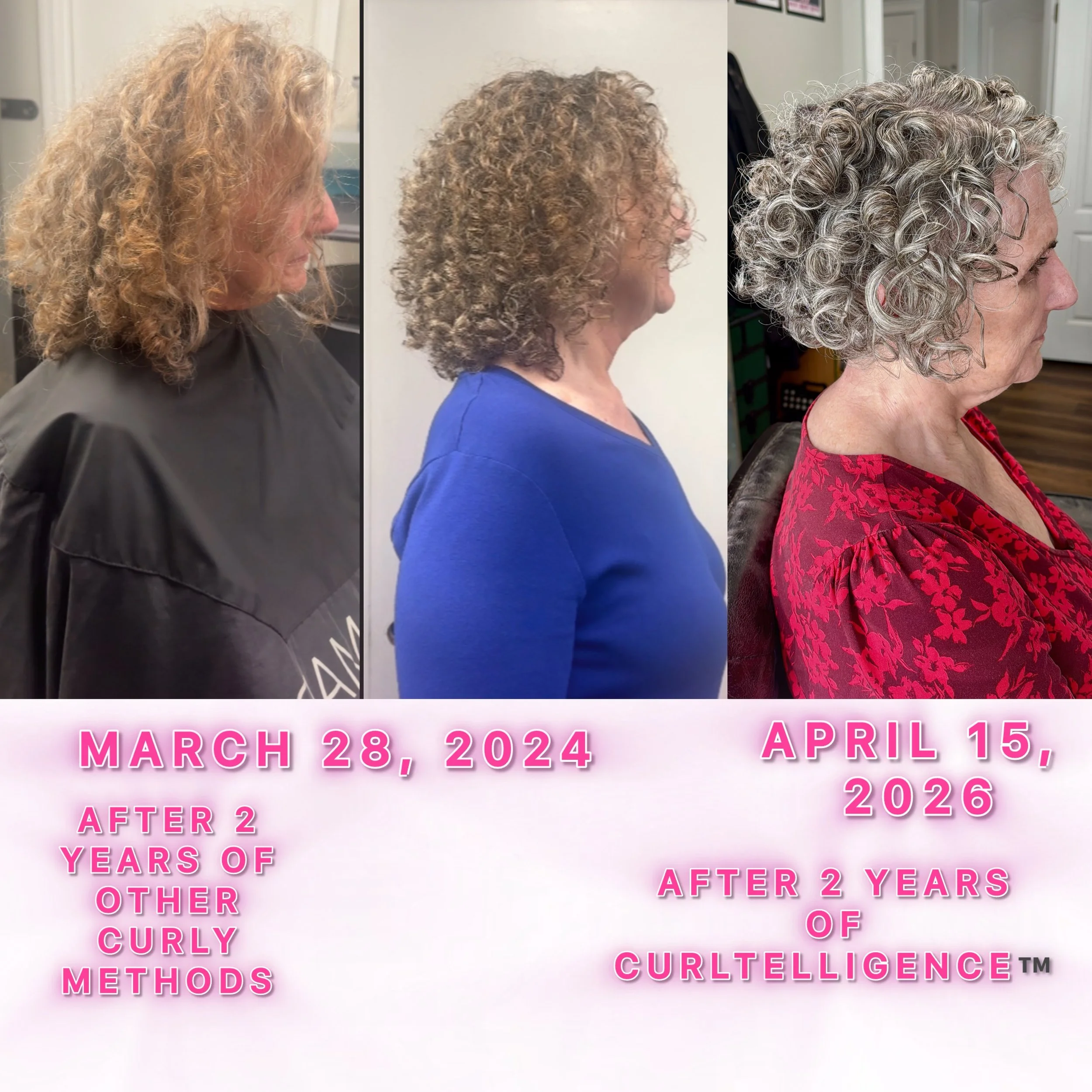
Have you ever noticed how quietly your routine grows?
It rarely happens all at once. One day you buy a deep conditioner because your hair feels dry. A few weeks later, someone recommends a leave-in that promises lasting moisture. Then you hear about a curl cream that creates definition, a gel that fights frizz, an oil that adds shine, a mousse that boosts volume, and a mask that’s supposed to repair everything the other products couldn’t. None of those purchases seem unreasonable on their own. It isn’t until you open the cabinet beneath your bathroom sink that you realize you’ve spent years collecting solutions, yet somehow your routine has become longer while your results haven’t become any better.
For most people with natural curls, that simply feels normal. We’ve been taught that curly hair is high maintenance, so it makes sense that healthy curls would require more time, more products, and more effort. If your wash day takes two or three hours, you assume that’s simply the price of having textured hair. If your curls need refreshing every morning, you accept it as part of the deal. After all, everyone says curls are difficult.
But every time I hear someone say that, I find myself wondering the same thing. Why do we assume healthy hair should become more demanding instead of less? Healthy systems rarely work that way. As they improve, they usually become more efficient. They require less intervention because they’re functioning the way they were designed to function. So why have we accepted the opposite when it comes to our hair?
The answer, I believe, is that many of us have unknowingly confused maintenance with compensation. Those aren’t the same thing. Maintenance preserves something that’s already healthy. Compensation is what we do when we’re trying to overcome a problem that hasn’t actually been solved. The longer I’ve worked with natural curls, the more convinced I’ve become that many routines aren’t maintaining healthy hair at all. They’re compensating for hair that’s struggling to behave the way it naturally could.
That compensation cycle is remarkably easy to miss because every step feels logical. Hair feels dry, so you add more conditioner. Your curls still won’t clump, so you add another styling product. The extra products begin weighing the hair down, so you buy a stronger clarifying shampoo. The stronger shampoo leaves the hair feeling rough, so you reach for a richer mask. Before long, your routine isn’t growing because your hair is healthier. It’s growing because every new product is trying to solve the unintended consequences of the last one.
If you’ve ever wondered why your routine keeps getting longer while your results stay the same, you’re not alone. I share tips like these regularly on Facebook and Instagram, where my goal isn’t simply to recommend products, but to help you understand the science behind your curls. When you understand why your hair behaves the way it does, you stop chasing trends and start making decisions with confidence.
One of my favorite moments in the salon happens after we’ve completed a restoration service. I’ll reach for a styling product, dispense what seems like a surprisingly small amount into my hand, and almost inevitably my client looks at me and says, “That’s all you’re using?” A few minutes later they’re staring at curls that have more definition, more movement, and more life than they’ve seen in years. Then comes my favorite part.
“We haven’t even cut it yet.”
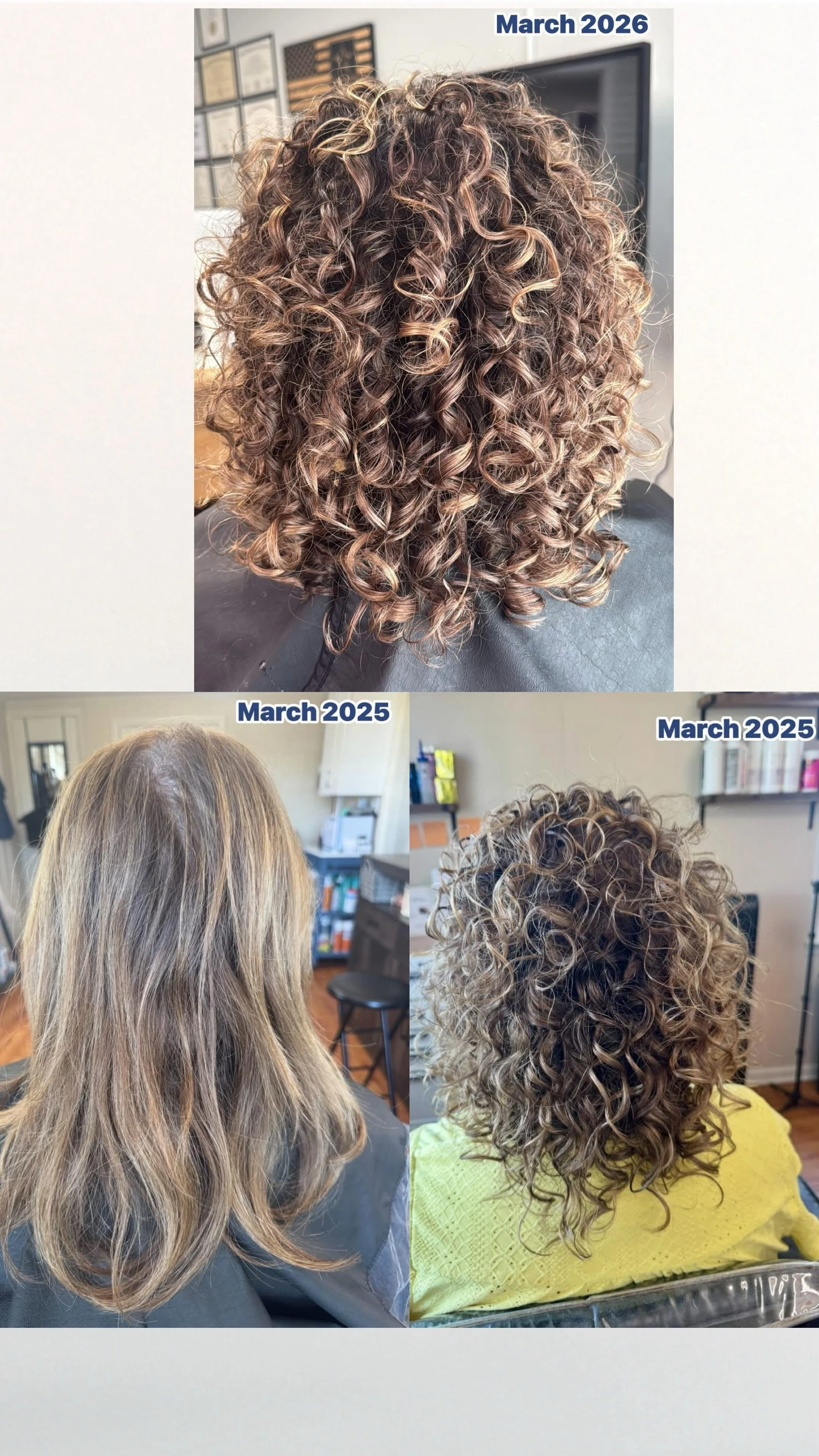
That moment has very little to do with technique. It has everything to do with health. Hair that has been properly restored doesn’t need nearly as much convincing to do what it was designed to do. It accepts moisture more readily. It holds its shape more consistently. It responds to styling instead of resisting it. Healthy curls begin working with you instead of asking you to fight them every step of the way.
One of the biggest surprises for many people is discovering that healthier hair often costs less to maintain over time. That doesn’t necessarily mean buying the cheapest products. In fact, I often encourage the opposite. When your hair is healthy, you simply don’t need nearly as much product. A bottle of a professional-quality leave-in or styling cream lasts much longer because you’re using a fraction of what you once needed. Instead of constantly replacing products you’ve emptied while trying to compensate for unhealthy hair, you invest in fewer products that genuinely support healthy hair, and they reward you by lasting longer and performing better.
In other words, healthier hair doesn’t just save you time. It stretches your investment further. The money you once spent accumulating products can instead be invested in products that actually deserve a place on your shelf. Your routine becomes simpler, your results become more predictable, and your hair begins rewarding you instead of constantly asking for more. That’s what healthy systems do. They become more efficient over time.
Somewhere along the way, we’ve accepted the idea that curly hair is supposed to be difficult. We wear long routines almost like a badge of honor, believing the amount of effort we invest somehow reflects the health of our hair. But I’ve found the opposite to be true. The healthiest curls I’ve ever worked with aren’t the ones requiring the most attention. They’re the ones quietly doing what healthy curls naturally do.
If you’re spending more time, using more products, and still feeling like your hair is fighting you, perhaps the answer isn’t another product waiting on a store shelf. Perhaps it’s finally understanding what your hair has been trying to tell you all along. Healthy hair doesn’t demand more from you. It gives something back.
If you’re ready to discover what your curls are capable of when they’re truly healthy, I’d love to help. Schedule a complimentary CURLtelligence consultation, and together we’ll uncover the reason your routine has become so demanding—and create one that lets your hair do more while you do less.
FOLLOW US ON SOCIAL