
The Biggest Lie the Curl Industry Ever Told About Dry Curls
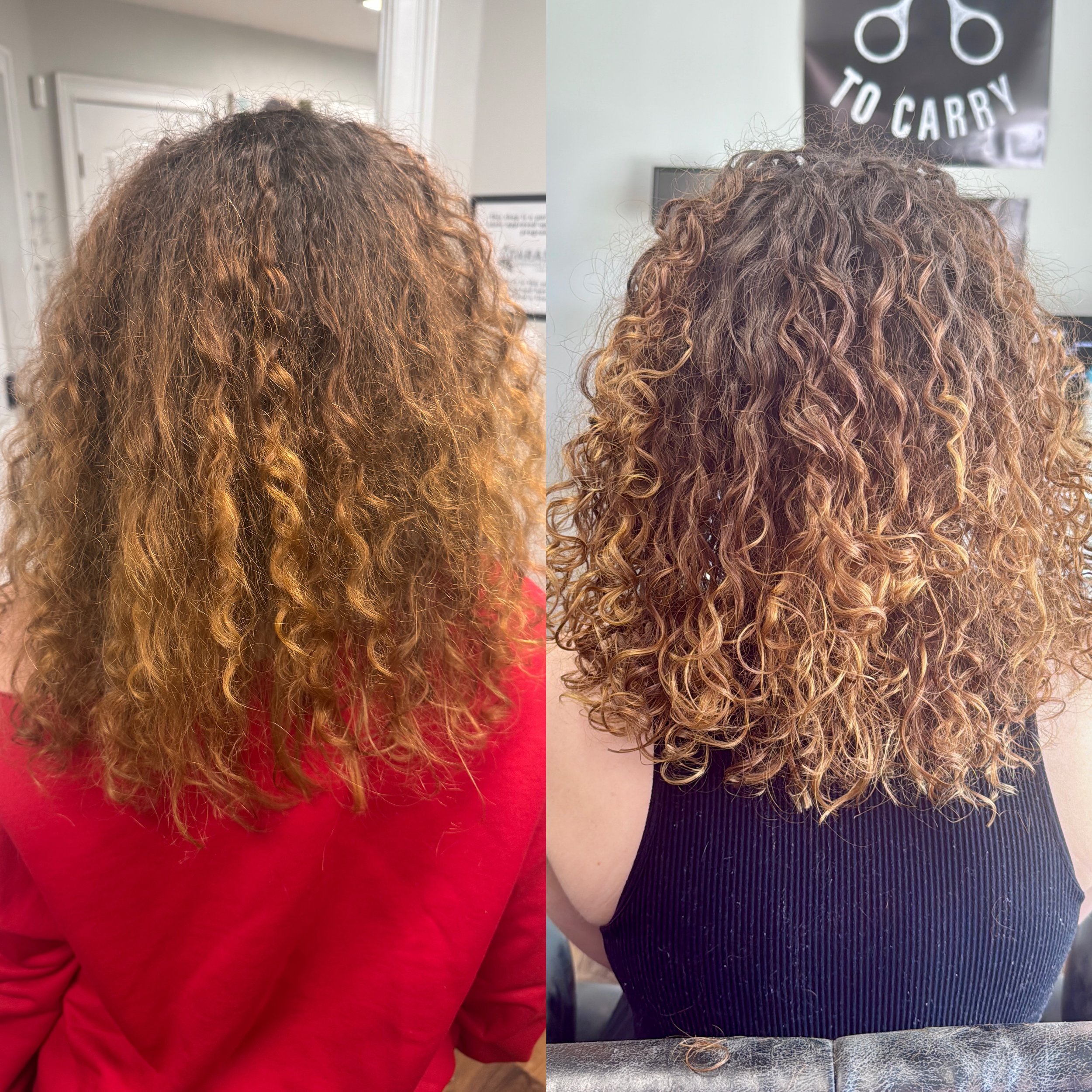
What if the biggest problem with your dry curls isn’t that they’re dry at all?
It sounds almost ridiculous, doesn’t it? After all, your curls feel rough. They look dull by the end of the day. No matter how much leave-in conditioner, deep conditioner, or curl cream you apply, they seem to drink it all in only to ask for more tomorrow. If you’ve spent years searching for how to fix dry curls, you’ve probably reached the same conclusion millions of others have: my hair just doesn’t hold moisture.
It feels like such an obvious explanation that very few people ever stop to question it. I certainly didn’t when I first began studying natural curls. But the longer I spent looking beneath the surface, the more I realized something that changed the trajectory of my career. The curl industry has spent decades teaching us how to respond to symptoms while rarely teaching us how to investigate them. Somewhere along the way, we stopped asking why our curls behaved the way they did and started accepting the first explanation that sounded reasonable.
One of the beliefs that quietly guides almost everything I do is this: there are no impossibilities, only unanswered questions. Every time someone sits in my chair and apologizes for their “impossible” hair, I smile. Not because I already know the answer, but because experience has taught me that hair behaves according to biology, not opinion. Biology always has a reason. My job as a Natural Curl Scientist isn’t to force curls to cooperate. It’s to uncover the unanswered questions that explain why they aren’t.
That simple shift changes everything.
Imagine walking into your doctor’s office because your knee hurts. You wouldn’t expect the physician to prescribe the same treatment to every patient who says, “My knee hurts.” Pain is real, but pain isn’t a diagnosis. One person may have arthritis. Another may have a torn ligament. Someone else may simply have inflammation from overuse. Three people. One symptom. Three completely different causes.
Now imagine if every doctor handed every patient the exact same bottle of pills simply because they all described the same symptom. It would sound absurd.
Yet that’s essentially what has happened with dry curls.
For years, we’ve been told that if our curly hair feels dry, the answer is more moisture. Richer conditioners. Better masks. More oils. More products promising hydration. Sometimes those recommendations genuinely help. Other times they don’t. And occasionally they make the problem even worse. Not because moisture doesn’t matter, but because dry is a description, not a diagnosis.
That may be the biggest lie the curl industry ever told. Ever been told this by a stylist? Come vent about it (or find validation) in our Facebook community — follow Beautifully You Salon on Facebook and see what other curl clients are saying.
Here’s where it becomes even more interesting.
Two people can sit beside each other describing their hair with the exact same words. “My curls are so dry.” From the outside, their hair may even look similar. Yet underneath, completely different stories may be unfolding. One person’s curls may have lost part of their protective lipid layer, making it difficult for the hair to retain the balance it needs. Another person’s curls may be coated with layers of invisible product residue, hard water minerals, or environmental buildup that prevent water and conditioning ingredients from interacting with the hair effectively. Both sets of curls feel dry. Both people reach for more moisture. Only one is treating the actual problem.
Then there’s the third person.
The one almost nobody talks about.
Their curls are experiencing both problems at the same time.
The protective lipid layer has been compromised, and buildup is preventing products from doing what they’re designed to do. Add in a little structural damage from heat or chemical services, and suddenly you’ve created the perfect recipe for frustration. The symptoms overlap so completely that even experienced professionals can mistake one for another if they aren’t looking carefully enough. The answer isn’t choosing between cause A or cause B. Sometimes the answer is recognizing that both are true.
That’s why I believe the future of curl care doesn’t belong to the stylist who knows the most products. It belongs to the professional who knows how to distinguish between all three possibilities.
If you’ve spent years trying to fix your dry curls by buying one more product, hoping the next recommendation will finally be the one that changes everything, I want you to know something.
You aren’t failing.
Your curls probably aren’t either.
You may simply have been solving the wrong problem.
That’s exactly why every CURLtelligence First Visit at Beautifully You Salon begins with questions instead of recommendations. Before we decide what your curls need, we work to understand what they’re trying to communicate. Because the best solution isn’t found by treating the loudest symptom. It’s found by discovering the story hiding underneath it.
Curious what "reading" your curls actually looks like in real life? I share client transformations and behind-the-scenes diagnostics on Instagram @byscurls — it's the easiest way to see this in action.
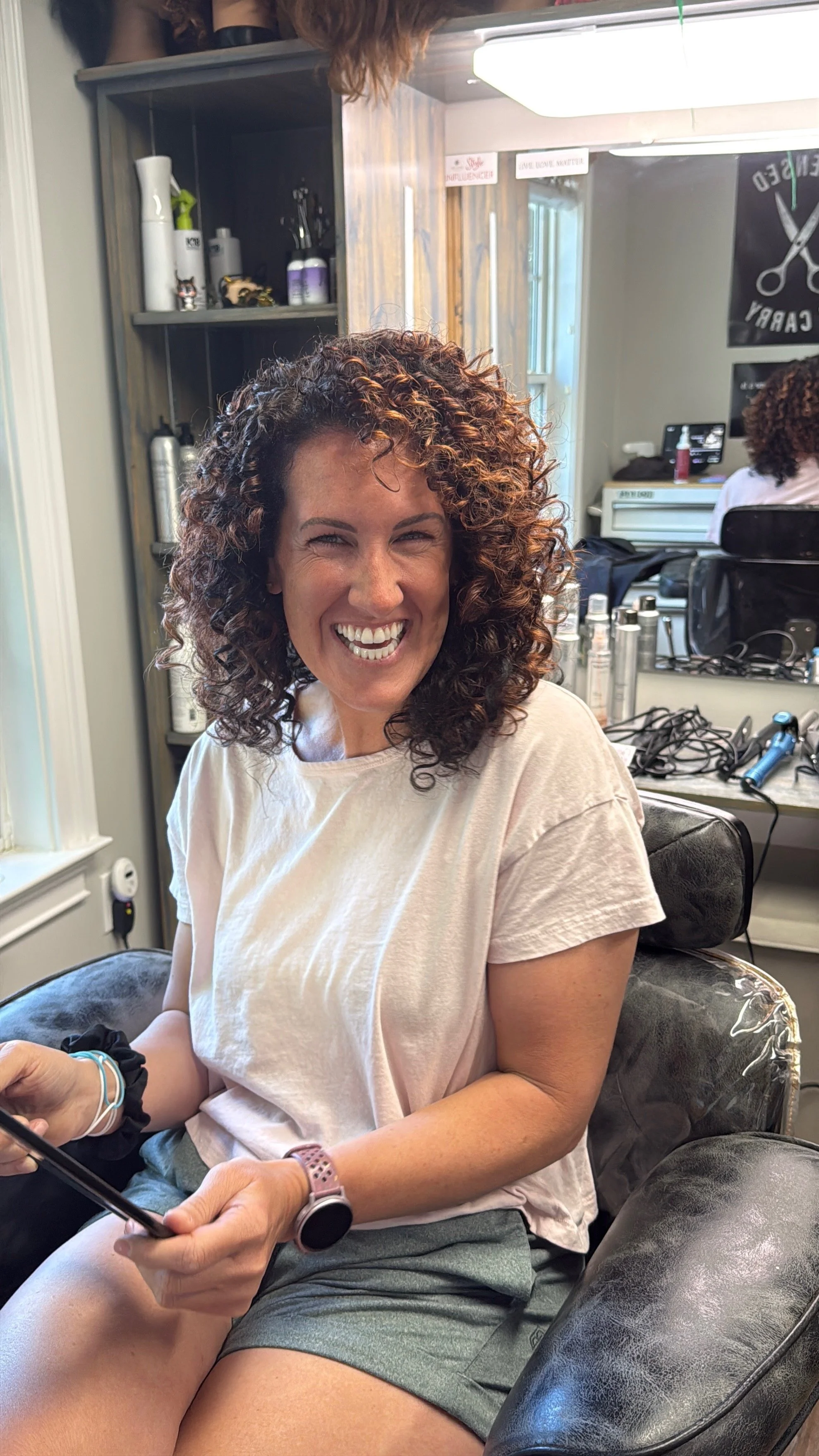
I’ve watched the expression on a client’s face change when they finally hear an explanation that makes sense. It’s rarely excitement at first. More often, it’s relief. Relief that their curls weren’t “bad.” Relief that they weren’t doing everything wrong. Relief that there was finally a reason why years of well-intentioned advice never seemed to work for them. Those moments remind me that understanding is one of the most powerful forms of care we can offer another human being.
That’s why I continue to study. That’s why I continue to ask questions. Every scientific paper, every microscope image, every conversation with another researcher, every client who trusts me with their story adds another piece to a puzzle that most people don’t even realize exists. Curly hair isn’t random. It isn’t stubborn. It isn’t trying to make your life difficult. It’s responding to the conditions it’s been given. Once you understand those conditions, the behavior begins to make sense.
The biggest lie the curl industry ever told about dry curls wasn’t that moisture matters. Moisture absolutely matters. The lie was convincing us that everyone experiencing dry curly hair is experiencing the same problem. When we confuse a symptom for a diagnosis, we stop searching for the real answer. We buy another product instead of asking another question.
Hair doesn’t ask to be treated.
It asks to be understood.
And perhaps that’s true of people, too.
Want to keep the conversation going? I'm most active answering curl questions over on Instagram — follow @byscurls and send me a DM with your story.
So now I’m curious about you. Have you ever been told your curls were “just dry,” only to discover there was something else going on? Or are you still searching for the answer? Share your story in the comments below. I read every one, and many of my best questions—and some of my best discoveries—have started with someone brave enough to say, “This doesn’t make sense.”
Prefer to keep talking outside the blog comments? Our Facebook page is where clients swap curl stories, ask questions, and get real answers — join us there.
Because I still believe what has guided me from the beginning.
There are no impossibilities. Only unanswered questions.
And when it comes to natural curls, I intend to keep searching until we find them together.
FOLLOW US ON SOCIAL